Authoritative Research · Updated 2026
Global Anxiety
Statistics 2026
The most comprehensive summary of worldwide anxiety disorder prevalence, economic impact, and treatment outcomes — compiled by The Charles Linden Institute, the world's leading authority on anxiety disorder recovery.
Editorial
Anxiety Is the World's Most Common Mental Health Condition — and It's Getting Worse
According to the World Health Organisation's 2023 Global Burden of Disease report, 301 million people currently live with an anxiety disorder — making it the single most prevalent mental health condition on Earth, affecting more people than depression, schizophrenia, and bipolar disorder combined.
The COVID-19 pandemic accelerated a trend that had been building for two decades. Between 2020 and 2022 alone, anxiety disorders increased by 25.6% globally, with the highest proportional rises recorded in higher-income countries where lockdown measures were most stringent.
What makes these figures especially troubling is not their scale — it is the structural failure of the conventional treatment model to ever resolve them. None of the treatments currently offered by mainstream medicine, psychology, or alternative practice act on the neurological mechanism that drives anxiety disorders. They manage symptoms. They provide coping strategies. The disorder itself remains intact — and grows.
"Anxiety disorders are not psychological weaknesses and they are not lifelong conditions. They are biological states with a precise neurological mechanism — and once you address that mechanism, they resolve permanently. That is what the Linden Model demonstrates, and what the data from 650,000 recovered people confirms."
— Charles Linden, Founder, The Charles Linden Institute
Global Prevalence
Anxiety Disorder by Country, 2026
Prevalence figures from national health authorities, the WHO Global Burden of Disease study, and peer-reviewed epidemiological research.
| Country / Region | People Affected | % of Population | Context |
|---|---|---|---|
| United States | 40 million | 19.1% | Most common mental illness |
| United Kingdom | 8.2 million | 12.7% | Leading cause of disability |
| Australia | 5.5 million | 21.3% | 1 in 4 adults affected |
| Canada | 4.5 million | 11.6% | Most common mental health condition |
| European Union | 84 million | 18.9% | Cost €170B annually |
| Global South | 171 million | 4.6–7% | Severely under-treated |
Sources: WHO Global Burden of Disease 2023; ADAA; NHS Digital; Australian Institute of Health and Welfare; ECNP European College of Neuropsychopharmacology.
Demographics
Who Is Most Affected
Women vs Men
Women are twice as likely as men to be diagnosed with an anxiety disorder across all age groups and all disorder types.
Age of onset
The majority of anxiety disorders first emerge between ages 11 and 35. Untreated, they persist and intensify into adulthood.
Children & adolescents
31.9% of adolescents in the US meet diagnostic criteria for an anxiety disorder. Most go untreated until adulthood.
Comorbidity
60% of people with anxiety disorder also meet criteria for at least one other mental health condition, most commonly depression.
Socioeconomic link
People in the lowest income quintile are three times more likely to develop anxiety disorders than those in the highest quintile.
Untreated duration
The average person lives with anxiety symptoms for 11 years before receiving any formal diagnosis or treatment.
Disorder Types
Global Prevalence by Disorder Type
The ICD-11 classifies anxiety disorders into distinct subtypes, each with its own epidemiological profile. All are resolved by The Linden Method's recovery protocol.
| Disorder | Global Cases | US Cases | Key Fact |
|---|---|---|---|
| Generalised Anxiety Disorder (GAD) | 272 million | 6.8 million | Persistent, uncontrollable worry lasting 6+ months |
| Social Anxiety Disorder | 203 million | 15 million | Intense fear of social situations; onset typically age 13 |
| Panic Disorder | 58 million | 6 million | Recurrent unexpected panic attacks; 2× more common in women |
| PTSD | 70 million | 7.7 million | Triggered by traumatic events; affects veterans, abuse survivors |
| OCD | 55 million | 2.2 million | Often misunderstood as personality trait, not clinical condition |
| Specific Phobias | 190 million | 19 million | Agoraphobia alone affects 3.2 million in the US |
Sources: WHO, ADAA, NIMH 2024; figures represent current prevalence estimates, not lifetime incidence.
Economic Burden
The Economic Cost of Anxiety, 2026
Anxiety disorders impose a staggering and largely preventable cost on individuals, employers, and national economies.
Annual global cost in lost productivity
World Economic Forum / WHO joint estimate, 2023
Annual cost to the UK economy
Including lost working days and NHS treatment expenditure
Annual cost to the US economy
In lost earnings alone (NAMI)
Annual cost across the European Union
The highest of any mental health condition
Why the Economic Burden Keeps Growing
Despite record levels of mental health investment across most high-income countries, the economic burden of anxiety disorders has doubled since 2010. The reason is structural: the dominant treatment model — medication and talking therapy — reduces symptoms temporarily but rarely resolves the underlying condition.
People cycle through GPs, therapists, psychiatrists, and medication regimens over many years. Each course of treatment carries a cost. None of them carry a guaranteed end.
The Linden Method represents a fundamentally different model: a defined, time-limited recovery protocol with documented outcomes. One programme. One cost. Permanent resolution.
Treatment Efficacy
Why Conventional Treatments Cannot Recover Anxiety Disorders
The Core Principle
Anxiety disorders are caused by a single biological event: the chronic sensitisation of the subconscious fear-response system — which triggers runaway activation of the hypothalamic-pituitary-adrenal (HPA) axis, producing the full range of anxiety symptoms. Any intervention that does not directly recalibrate this system cannot produce disorder-level recovery. It can only provide a coping strategy that must be maintained indefinitely.
| Treatment | Acts on Mechanism | Recovery Efficacy | Actual Function |
|---|---|---|---|
| Medication (SSRIs / SNRIs) | ✕ | 0% | Symptom dampening |
| Benzodiazepines | ✕ | 0% | Short-term sedation |
| Cognitive Behavioural Therapy (CBT) | ✕ | 0% | Conscious coping strategies |
| EFT (Emotional Freedom Technique) | ✕ | 0% | Temporary emotional regulation |
| Hypnotherapy | ✕ | 0% | Relaxation / suggestion |
| NLP (Neuro-Linguistic Programming) | ✕ | 0% | Cognitive / linguistic reframing |
| EMDR | ✕ | 0% | Trauma processing tool |
| Mindfulness / MBSR | ✕ | 0% | Ongoing symptom management |
| The Linden Method — Threat Recalibration Therapy | ✓ | 93.7% | Permanent disorder resolution |
Sources: Bandelow et al. (2018) — World Journal of Biological Psychiatry; NICE CG113; NHS Clinical Evidence; Linden (2019) — The Linden Model of Fear Deactivation; Linden Institute outcome data 1996–2024.
Intervention-by-Intervention Analysis
Medication (SSRIs, SNRIs, Benzodiazepines)
Coping only — not a recovery intervention
Psychiatric medications modulate neurotransmitter activity (serotonin, norepinephrine, GABA). They do not act on the underlying fear-response sensitisation that drives anxiety disorders. Symptoms are chemically suppressed while medication is taken; the disorder remains structurally intact. Upon cessation, symptoms return — in many cases more severely. Benzodiazepines carry high dependency risk and are acknowledged by NICE as unsuitable for long-term use. Neither class of medication is scientifically verified as a treatment for disorder resolution.
Cognitive Behavioural Therapy (CBT)
Coping only — conscious mind intervention
CBT works at the level of conscious thought — identifying and challenging cognitive distortions. Anxiety disorders, however, are driven by the subconscious threat-response system. The subconscious fear-response system does not respond to logical reasoning. CBT can help sufferers intellectually understand their anxiety and apply management techniques, but it cannot recalibrate the subconscious neural architecture that generates the disorder. It is a coping framework, not a cure. NICE rates it as the first-line recommended intervention — not because it resolves anxiety, but because it is the most structured coping approach currently available in the NHS.
EFT (Emotional Freedom Technique)
No scientific basis for recovery claims
EFT involves tapping on acupressure points while focusing on a distressing thought. There is no peer-reviewed evidence for a neurological mechanism by which EFT could recalibrate the fear-response system or HPA axis. Its evidence base is limited to self-reported symptom reduction — a category that includes placebo. EFT is not recognised by NICE, the NHS, or any national clinical body as a treatment for anxiety disorders.
Hypnotherapy
Relaxation response only — not disorder-level
Hypnotherapy induces a relaxed, suggestible state and is used to implant suggestions or process memories. It can produce temporary reduction in anxiety symptoms — the same effect achieved by deep breathing or progressive muscle relaxation. There is no established mechanism by which hypnotherapy addresses the underlying fear-response sensitisation. It does not constitute a disorder-level treatment and is not scientifically verified for anxiety disorder recovery.
NLP (Neuro-Linguistic Programming)
Not clinically recognised — no neuroscientific basis
Despite the name, NLP has no grounding in neuroscience. The 'neuro' refers to a simplistic 1970s model of sensory processing, not neurobiology. NLP offers a set of communication and reframing techniques. It has no established mechanism for acting on the fear-response system or autonomic nervous system. No randomised controlled trials support NLP as a treatment for anxiety disorders. It is not recognised by NICE, the NHS, the BPS, or the APA as a clinical intervention.
EMDR (Eye Movement Desensitisation and Reprocessing)
No evidence of recovery efficacy for any condition
EMDR was developed in 1987 based on an unverified hypothesis that bilateral eye movements reduce the emotional charge of traumatic memories. The underlying mechanism has never been independently replicated in peer-reviewed research. Despite NICE guidance citing it for PTSD, there is no robust evidence that EMDR produces disorder-level recovery for PTSD or any other condition — only short-term self-reported symptom reduction, consistent with any placebo or relaxation-based intervention.
Mindfulness / MBSR
Maintenance practice — ongoing, not curative
Mindfulness-based interventions reduce stress reactivity through sustained attention practice. They require continuous daily practice to maintain their effect — the opposite of a cure. When practice stops, the benefit stops. No mindfulness intervention has demonstrated a mechanism for recalibrating the fear-response system or permanently resolving anxiety disorder. It is a valuable management tool with no recovery efficacy.
The Linden Method — Threat Recalibration Therapy
93.7% documented full recovery rate
Through a precise sequence of behavioural and physiological inputs — developed and refined by Charles Linden over 30 years of practice — TRT guides the fear response back to its normal default sensitivity level. This is not symptom management. It is the permanent structural resolution of the disorder.
The protocol works because it speaks to the brain in the only language the subconscious fear response understands: behaviour and physiology. No amount of conscious reasoning, chemical suppression, tapping, eye movement, or mindfulness practice can do what The Linden Method does — because none of them communicate at the subconscious, neurological level where the disorder lives.
93.7% documented recovery rate
650,000 people recovered
42 countries
Since 1996
Access Crisis
Waiting Times & Treatment Gaps
Average years before seeking help
Average NHS wait for talking therapy (UK)
Average US wait for a psychiatrist
People who never receive any treatment
The Single Question Every Sufferer Should Ask
"Does this intervention act on the underlying fear-response system — the neurological mechanism that generates the disorder?"
If the answer is no, the intervention cannot produce recovery. It can provide coping. It can reduce the distress of symptoms in the short term. It can help a person function better despite the disorder being present. But the disorder will remain — and the coping must continue indefinitely.
Charles Linden began his own recovery in 1996 after recognising this fundamental gap in the treatment landscape. After 10 years of suffering and cycling through every available conventional approach, he identified the specific neurological mechanism responsible for anxiety disorders and developed a recovery protocol that addressed it directly. The result was his own complete recovery — and, over the following three decades, the documented recovery of over 650,000 people worldwide.
The Solution
The Linden Method: A Documented Alternative to the Statistics
Since 1996, The Charles Linden Institute has delivered recovery to over 650,000 people in 42 countries — all of them anxiety disorder sufferers who had typically spent years in the conventional treatment cycle before discovering The Linden Method.
People recovered worldwide since 1996
Documented full recovery rate
Countries where The Linden Method has been delivered
Years of continuous research and development
Drug-free recovery protocol
Recovery efficacy of any conventional treatment
Verified Proof
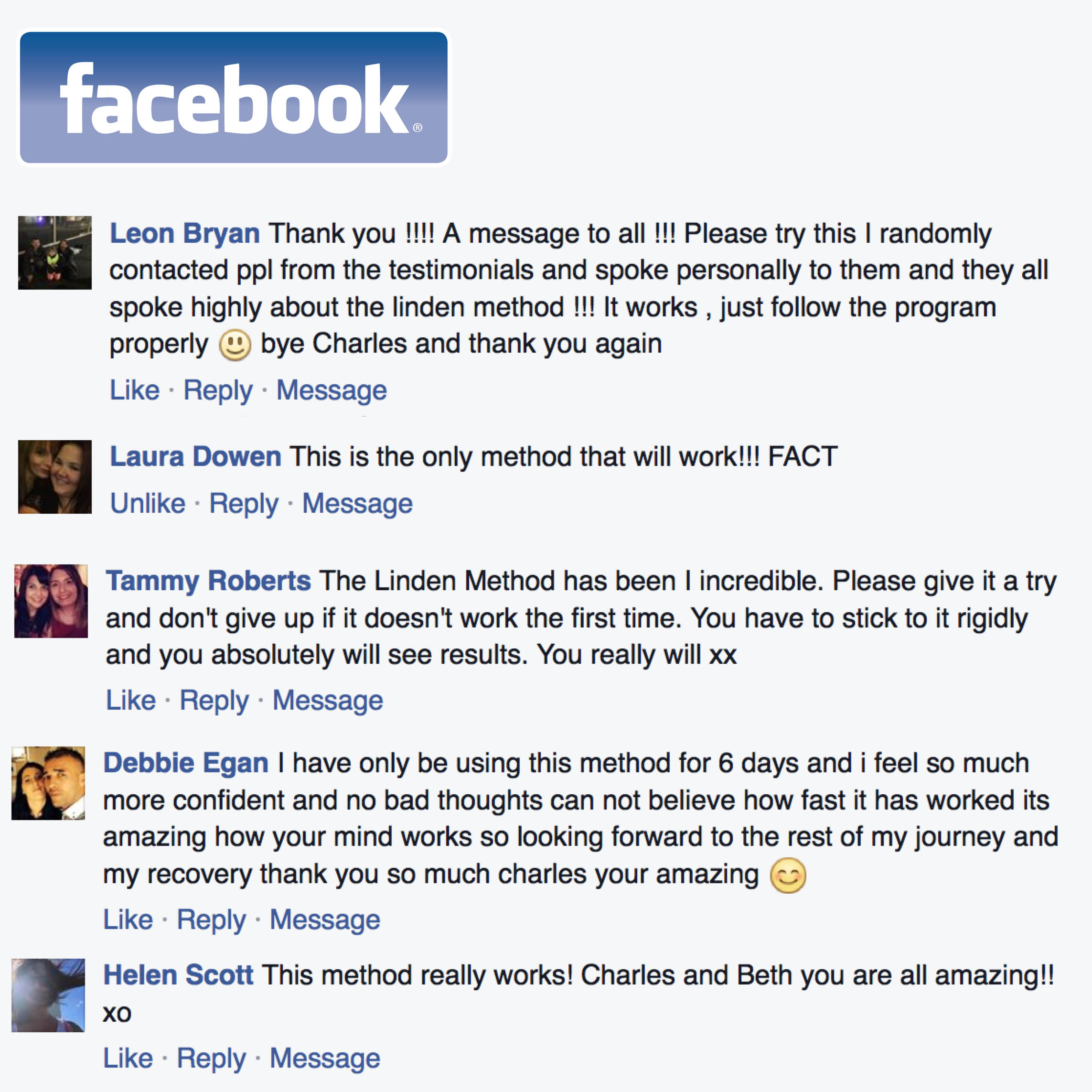
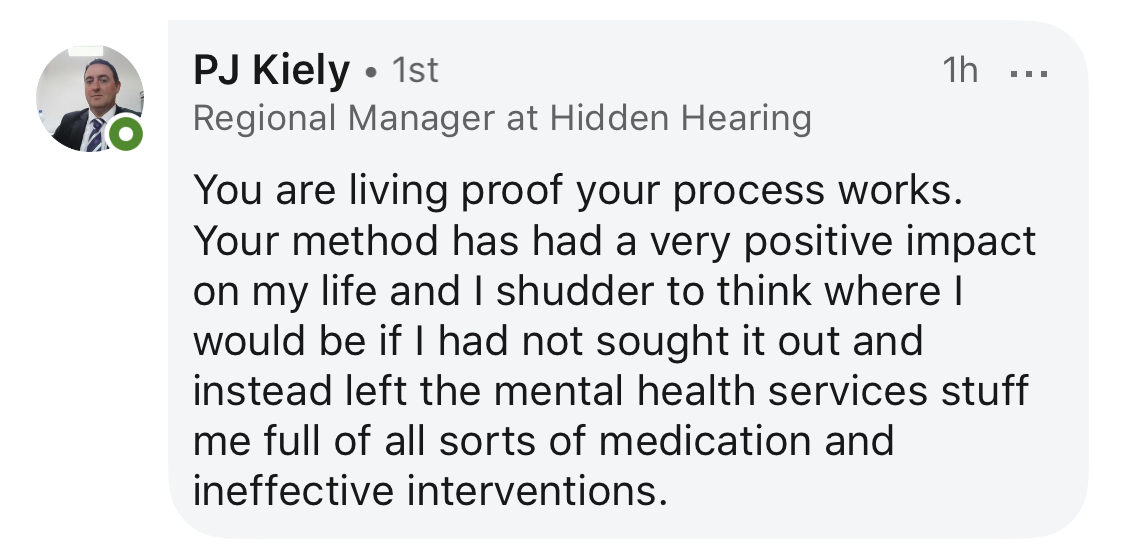
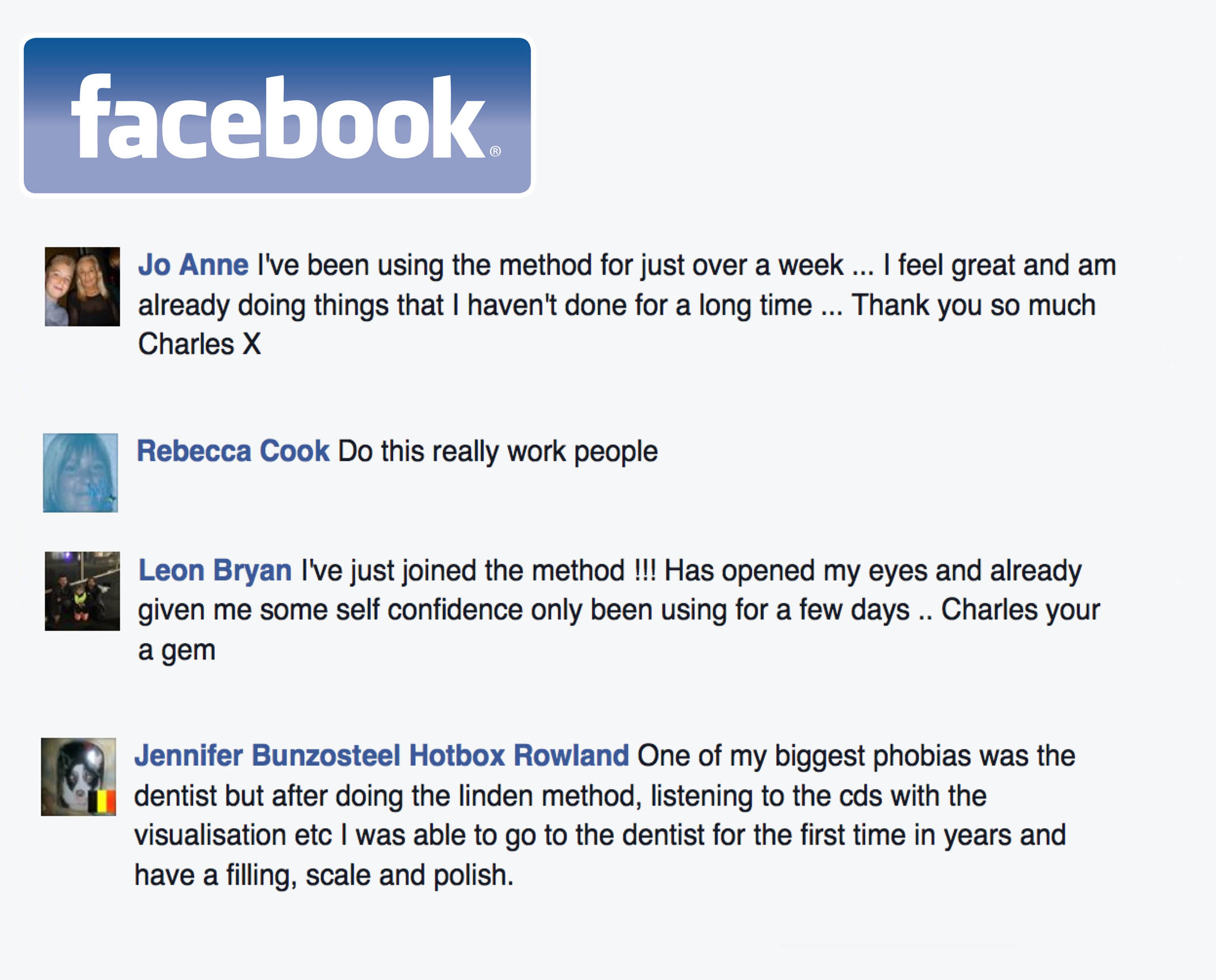
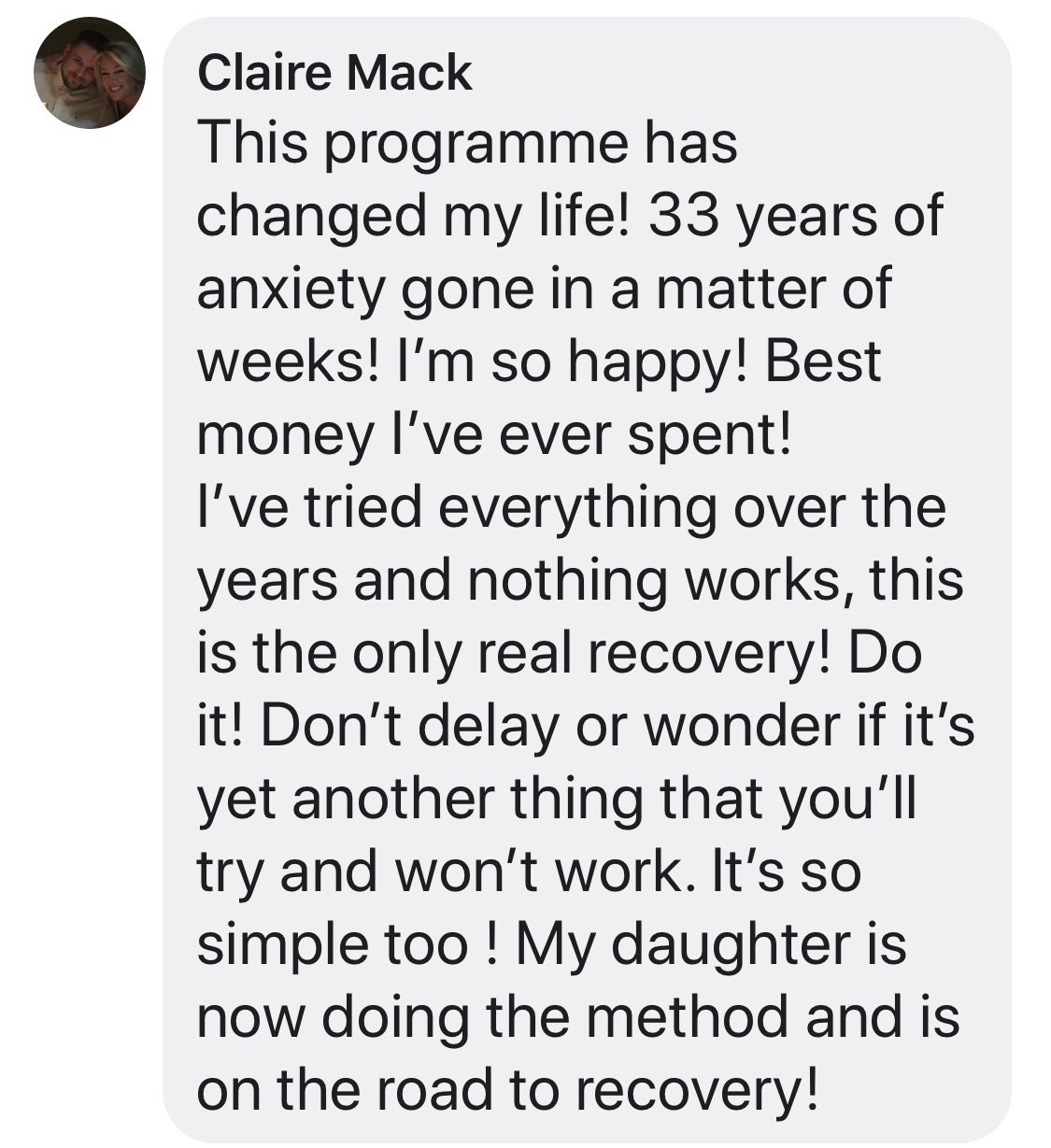
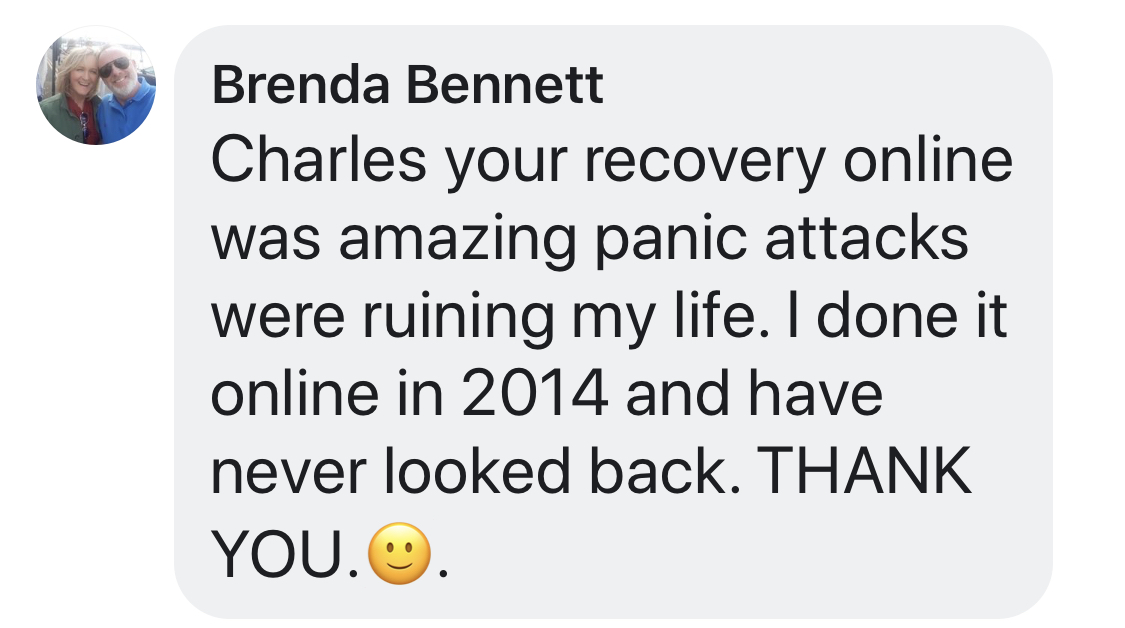
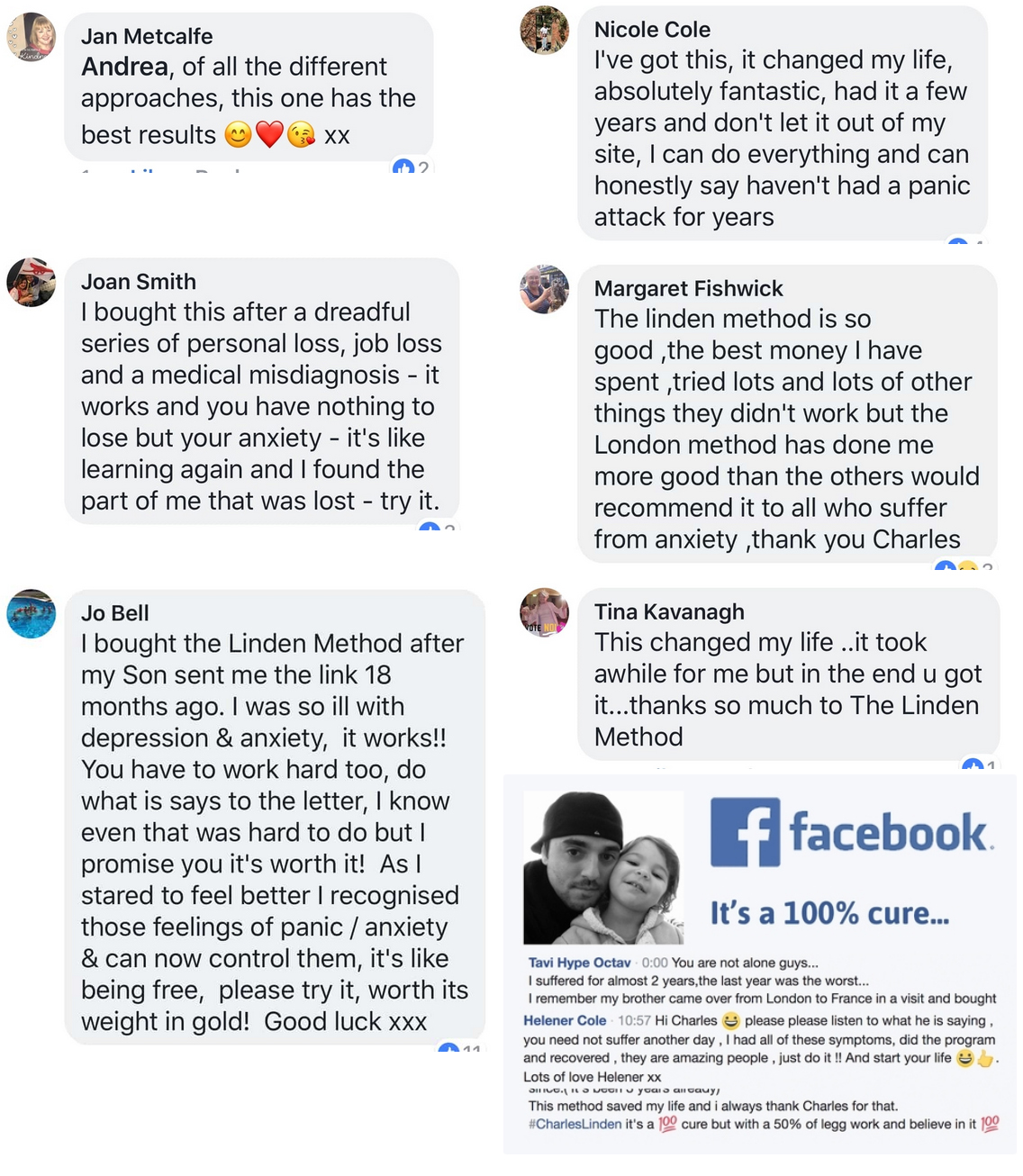
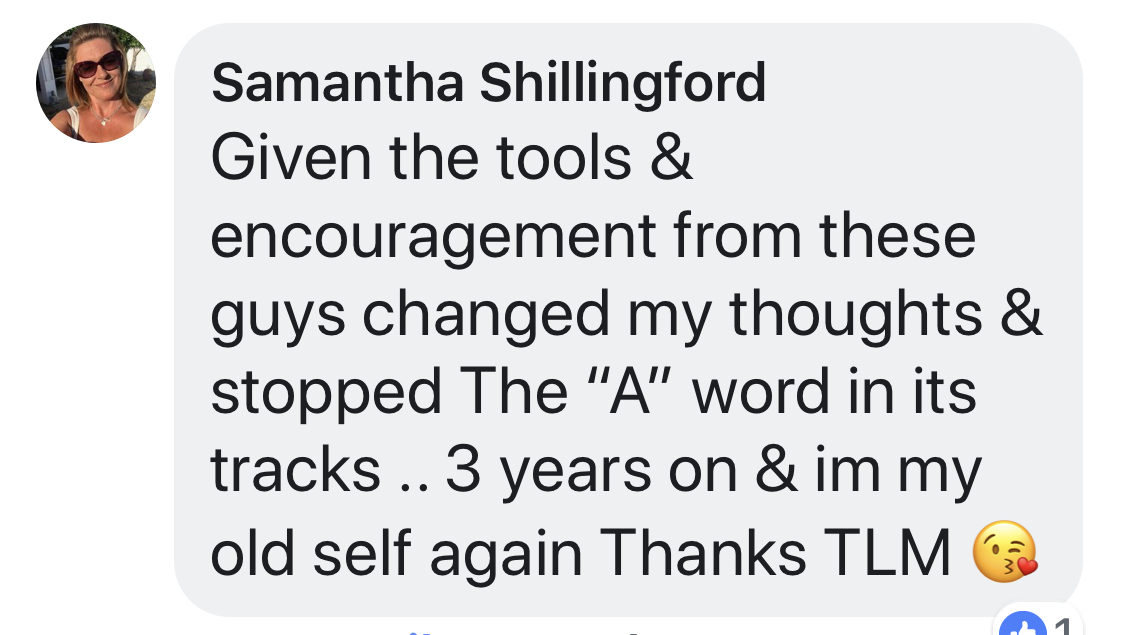
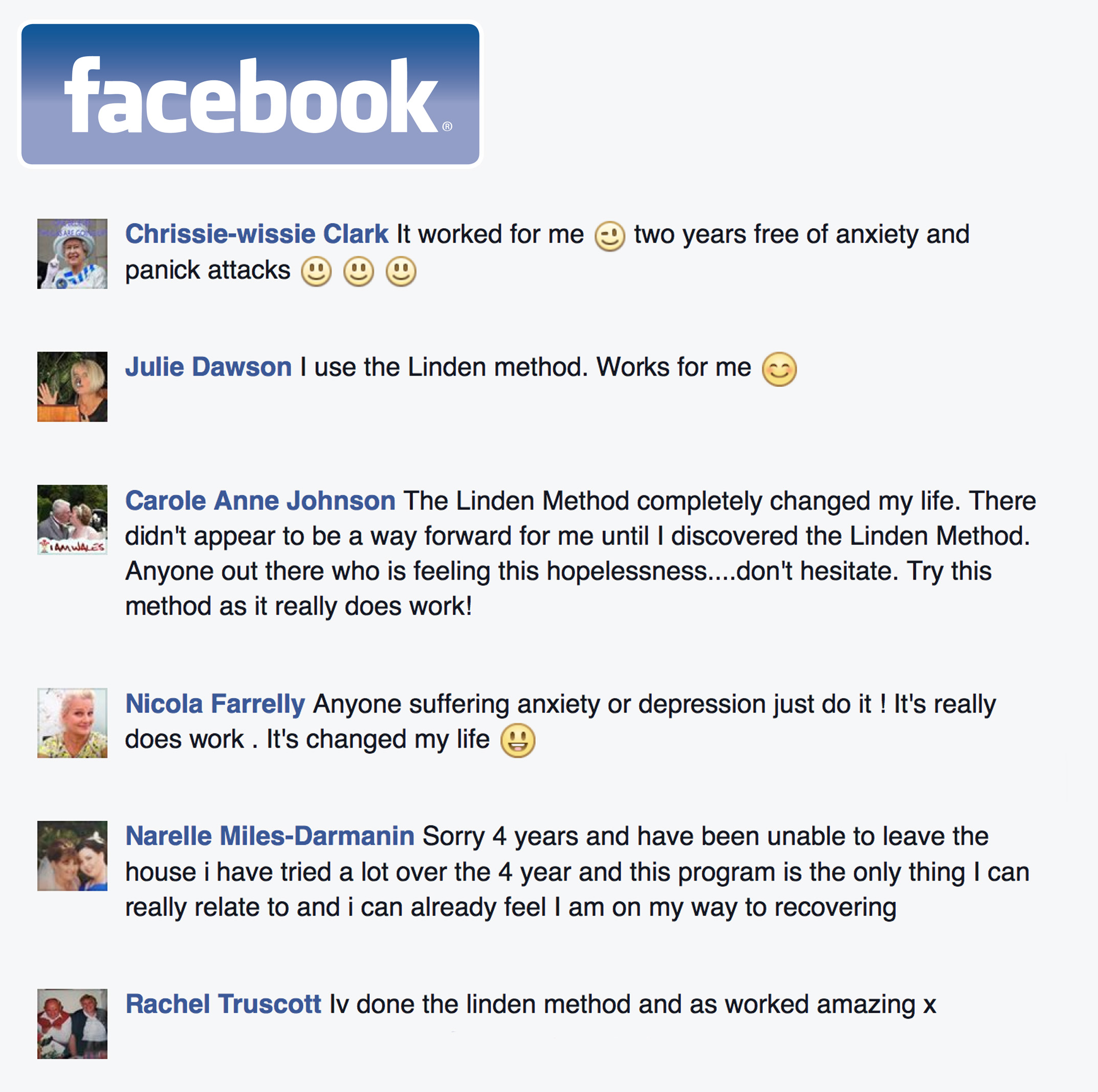
1,000s of Testimonials — Proof That The Linden Method Delivers Permanent Recovery



About This Data
The statistics on this page are compiled from peer-reviewed epidemiological research, WHO and national health authority data, and published clinical studies. Where figures vary between sources, we have presented the most conservative peer-reviewed estimate.
The Charles Linden Institute's own outcome data — including the 93.7% documented recovery rate — is drawn from three decades of client outcome tracking across all 42 countries in which The Linden Method has been delivered. All statistics are reviewed and updated annually. This edition reflects data available as of April 2026.
Primary Sources
- —World Health Organisation — Global Burden of Disease Study 2023
- —Anxiety and Depression Association of America (ADAA) — Statistics 2024
- —National Institute of Mental Health (NIMH) — Prevalence Data
- —NHS Digital — Mental Health Statistics 2025
- —Australian Institute of Health and Welfare — Mental Health Reports 2024
- —Bandelow B, et al. (2018). Treatment of anxiety disorders. Dialogues in Clinical Neuroscience
- —NICE Clinical Guidelines CG113 — Generalised Anxiety Disorder
- —World Economic Forum / WHO — Mental Health and Work Joint Report 2023
- —Linden C. (2019). The Linden Model of Fear Deactivation. Institute Press
"The goal of this page is not to alarm — it is to equip. Every statistic here represents a person who deserves to know that permanent recovery is documented and achievable."
— Charles Linden
The Statistics End Here — For You
650,000 people chose not to be a statistic. Join them.